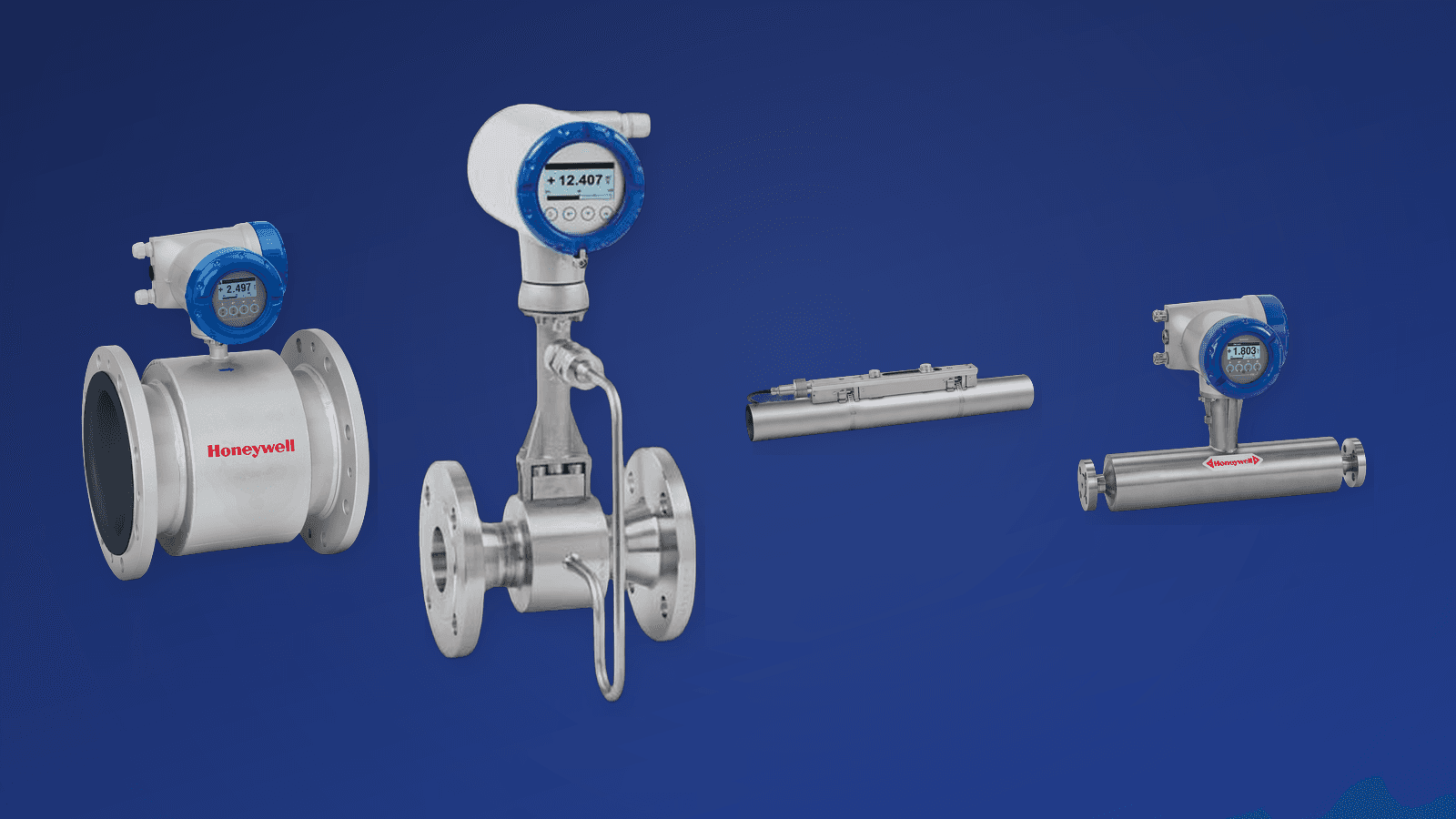
Choosing a flowmeter is easier when you start with the fluid, not the catalogue. Australian plants in water, mining, oil and gas, chemicals and manufacturing routinely need to measure conductive liquids, slurries, steam, gases or high-value process fluids. Honeywell’s VersaFlow range covers the four technologies buyers compare most often: magnetic, vortex, Coriolis and clamp-on ultrasonic.
This guide sets out when each technology fits, using only published Honeywell specifications for the VersaFlow Magnetic Flowmeter, Vortex Shedding Flow Meter, Coriolis Flowmeter and clamp-on ultrasonic flowmeters.
Start with the fluid and the installation
Before you compare accuracy figures, answer four questions:
- Is the fluid a conductive liquid, a low-viscosity liquid, a gas, steam, or a mix that also needs density or concentration?
- Can you cut the pipe and install an in-line meter, or must measurement be added without shutting down the line?
- What pipe size and temperature are you dealing with?
- Do you need volumetric flow only, or mass, density and concentration as well?
Those answers usually eliminate two of the four options immediately.
Magnetic flowmeters for conductive liquids
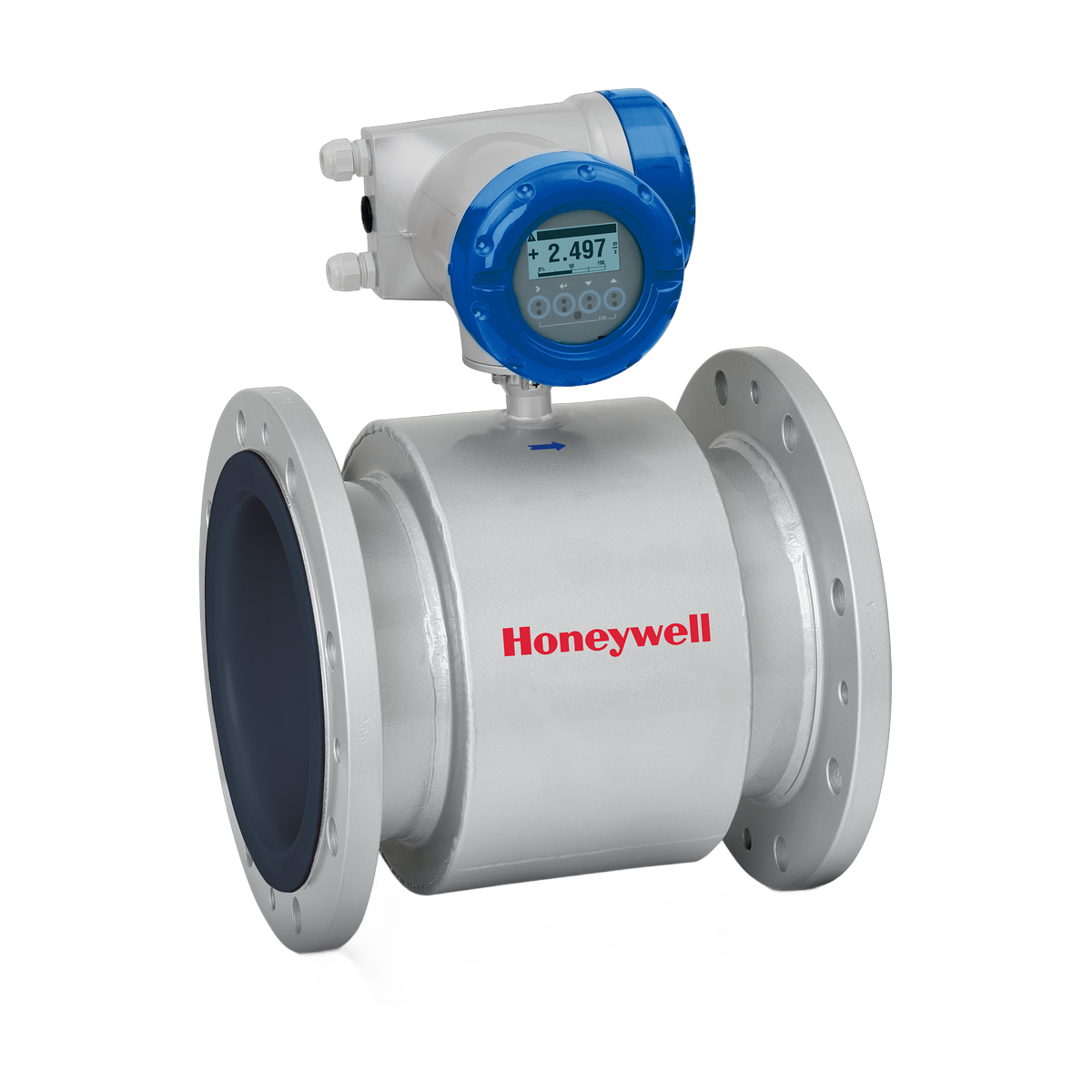
A magnetic (electromagnetic) flowmeter measures conductive liquids. It is the everyday choice for water and wastewater, slurries, pastes and many chemical services, because there is no obstruction in the flow stream and the meter is not trying to infer mass from volume.
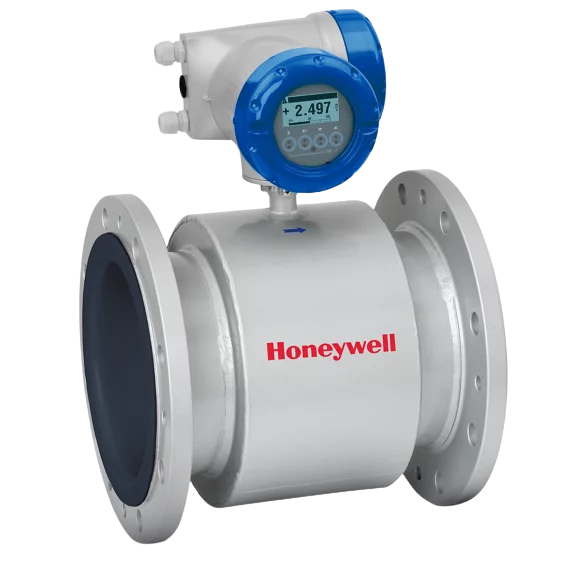
The Honeywell VersaFlow Magnetic Flowmeter is offered in four sensor variants: Mag 4000 for demanding industrial service, Mag 1000 for water and wastewater, Mag 100 as an economical general-purpose sensor, and Mag 3000 for food and beverage duty manufactured in conformance to FDA requirements. Honeywell’s published accuracy is ±0.2 to 0.3% + 1 mm/s for Mag 1000 and Mag 4000, and ±0.3 to 0.4% + 1 mm/s for Mag 100, with repeatability of ±0.1% of the measured value (minimum 1 mm/s). Conductivity can be measured down to 1 µS/cm, and the measuring range is −12 to +12 m/s. Nominal sizes span Mag 100 at 10 to 150 mm, Mag 4000 at 10 to 600 mm, and Mag 1000 at 25 to 2000 mm (1 to 80 in). Protection classes listed are IP66, IP67 and IP68.
Do not specify a magnetic meter for hydrocarbons, steam or dry gases: they are not conductive liquids. For those duties, look at vortex or Coriolis instead.
Vortex meters for steam, gases and low-viscosity liquids
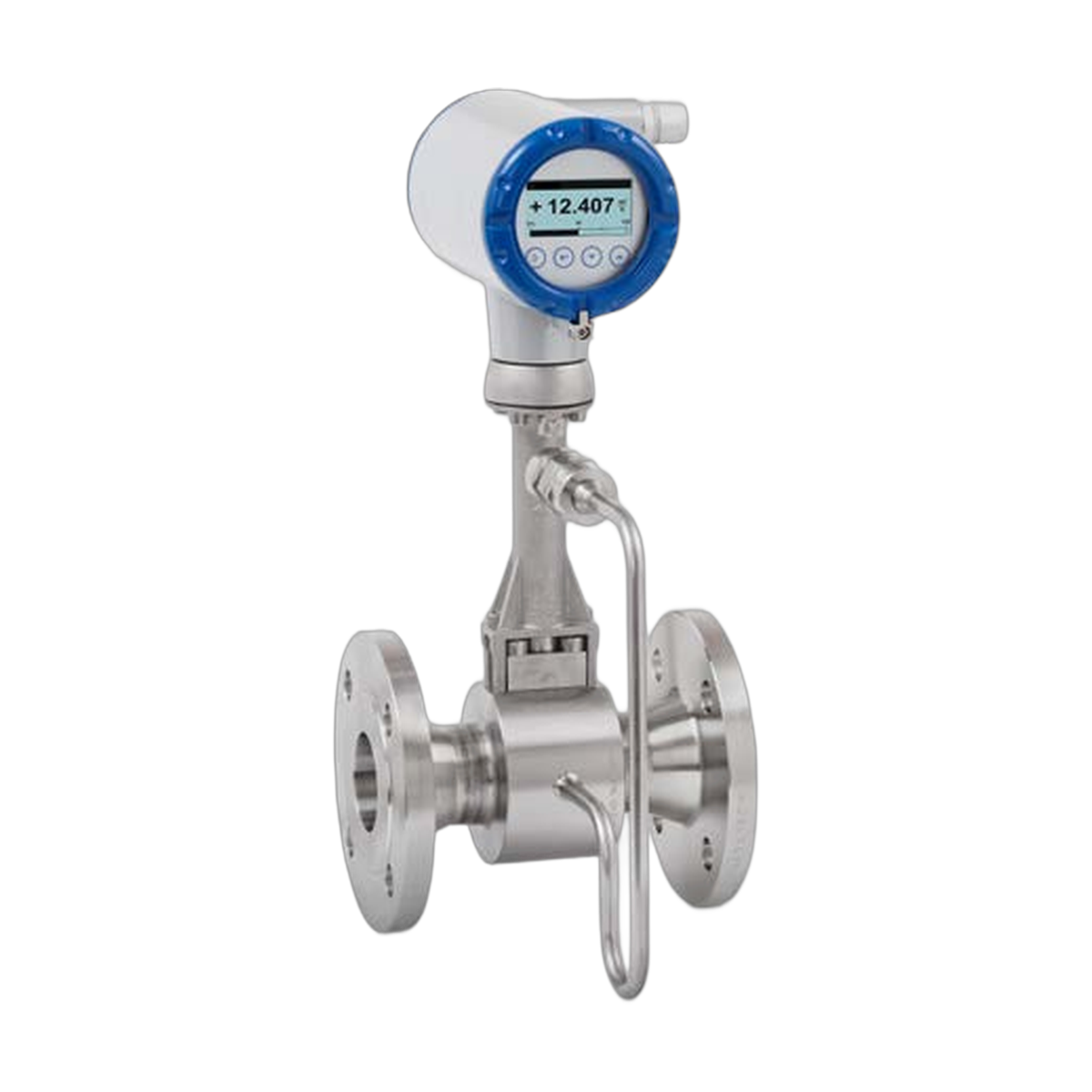
A vortex-shedding meter is a strong fit when you need to measure steam, industrial gases or low-viscosity liquids in a process line. The Honeywell VersaFlow Vortex Shedding Flow Meter is described by Honeywell as a meter for steam, gases, volumetric flow rate and low-viscosity liquids. The VersaFlow Vortex 200 offers integrated pressure and temperature compensation in two-wire technology, with integrated density compensation, so compensated flow can come from a single instrument rather than a separate pressure transmitter, temperature sensor and flowmeter. Flange and wafer sizes are used to match the pipeline and measuring range. A remote converter option is available; Honeywell lists a maximum cable length of 50 m for the remote version.
Typical Australian duties include steam distribution in manufacturing and utilities, and gas or liquid utility lines where a robust in-line meter is acceptable.
Coriolis meters for mass, density and concentration
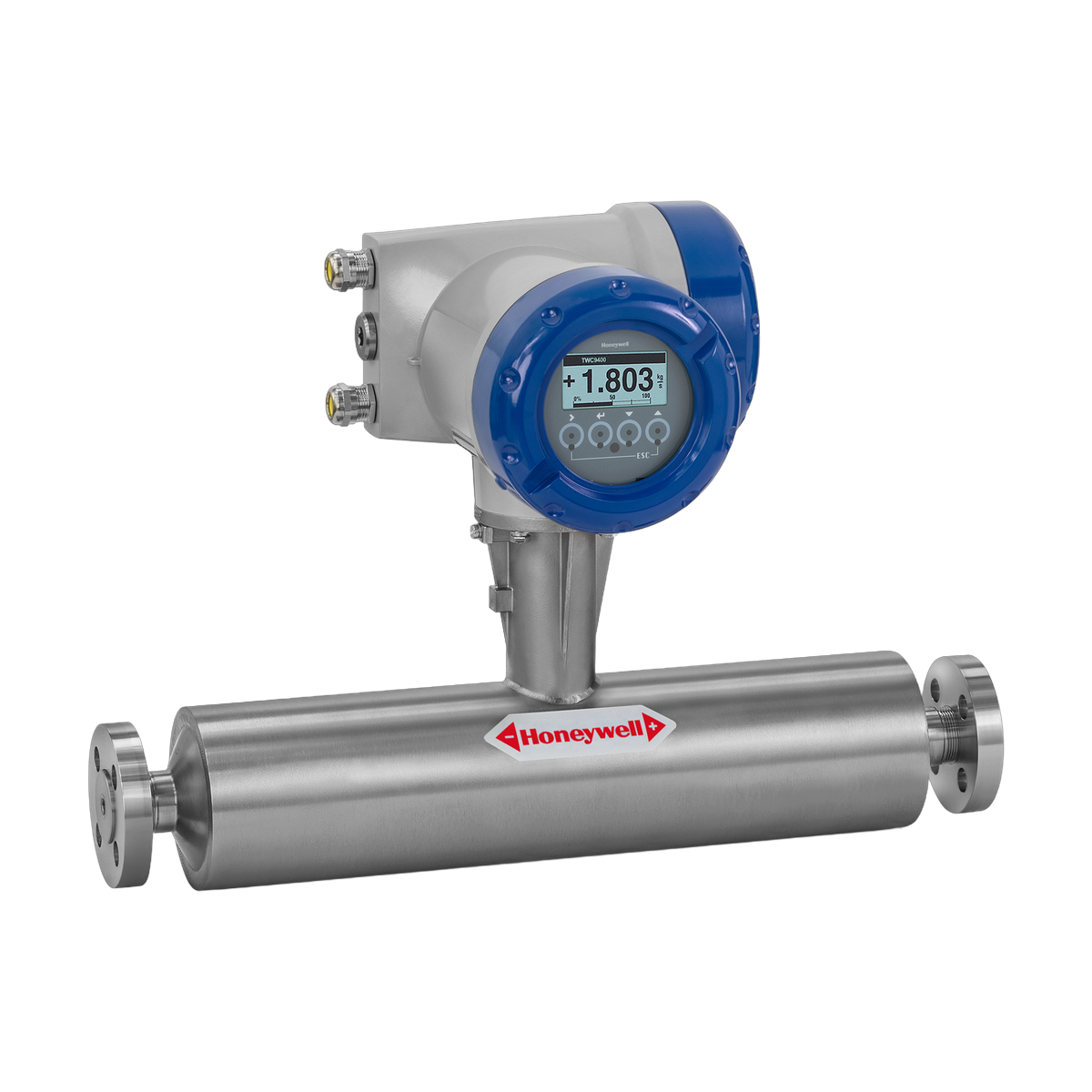
If the value of the fluid, a mass balance, or a density or concentration measurement drives the project, a Coriolis meter is usually the right technology. The Honeywell VersaFlow Coriolis Flowmeter measures mass flow, volumetric flow, density, temperature and concentration. Combined with the TWC 9400 converter, VersaFlow Coriolis meters are capable of Entrained Gas Measurement (EGM). Honeywell publishes liquid accuracy of ±0.1% of actual measured flow as standard, with an optional ±0.05% figure that is not available in SIL mode, and a further published figure of ±0.35% of actual measured flow on the official product page.
Coriolis is often specified on chemical, oil and gas, and food or pharmaceutical duties where mass, not just volume, is what you invoice, dose or reconcile.
Clamp-on ultrasonic meters when you cannot cut the pipe
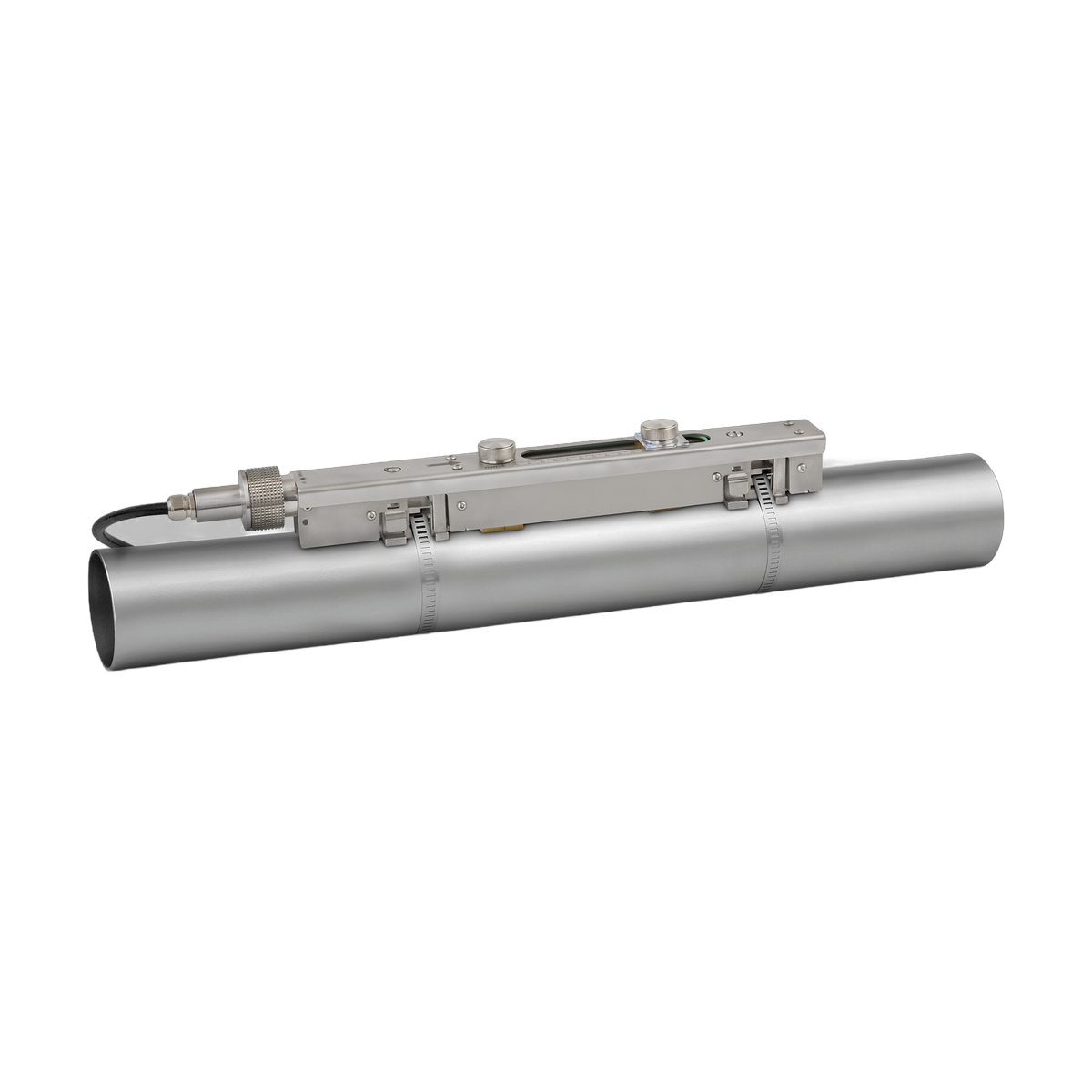
Clamp-on ultrasonic meters measure liquid flow from the outside of the pipe, so the process line does not have to be cut. The Honeywell VersaFlow clamp-on ultrasonic flowmeters are published for pipeline sizes from DN15 to DN4000 (½ in to 160 in). Because the sensors mount on the outside of the pipe, material compatibility with the process fluid and the pressure inside the line are not installation constraints. The technology is intended for liquids with limited solids or gas content. The standard process temperature range is −40 to 120 °C, with an XT option to −40 to 200 °C. Configurations include single path / single pipe or dual path / dual pipe. HART is standard and Modbus RS485 is optional. Honeywell recommends an inlet run of about 10 DN and an outlet run of about 5 DN.
This is the usual option for temporary checks, large water lines, or plants that cannot take a shutdown to install an in-line meter. It is not the first choice for heavy slurries or dirty gas service.
Magnetic vs vortex vs Coriolis vs clamp-on
| Magnetic | Vortex | Coriolis | Clamp-on ultrasonic | |
|---|---|---|---|---|
| Best fluids | Conductive liquids, slurries, pastes | Steam, gases, low-viscosity liquids | Liquids and gases where mass, density or concentration matters | Liquids with limited solids or gas content |
| Pipe intervention | In-line | In-line (flange or wafer) | In-line | None — mounts on the outside of the pipe |
| Published size or range notes | Mag 1000 up to 2000 mm (80 in) | Flange and wafer sizes matched to the line | Process Coriolis with TWC 9400 converter and EGM | DN15 to DN4000; standard −40 to 120 °C, XT to 200 °C |
| Headline accuracy (as published) | Mag 1000/4000 ±0.2 to 0.3% + 1 mm/s | See the vortex datasheet for the selected size | ±0.1% of actual measured flow (standard, liquid) | Application-dependent; follow Honeywell sizing guidance |
A practical way to choose
- If the fluid is a conductive liquid and you can install in-line, start with a VersaFlow magnetic meter and pick the Mag variant for the service and size.
- If you are measuring steam or gas, start with the VersaFlow vortex meter, and consider Vortex 200 when you want pressure, temperature and density compensation in one device.
- If you need mass, density or concentration, or entrained-gas capability, start with VersaFlow Coriolis and the TWC 9400 converter.
- If you cannot cut the pipe, or you need a large liquid line measured quickly, start with clamp-on ultrasonic, provided the liquid is reasonably clean.
To size a VersaFlow meter for a water, mining, oil and gas or manufacturing line, request a quote from Territory Instruments. Include fluid, pipe size, temperature and whether the line can be shut down for installation.
Frequently asked questions
Can one flowmeter type cover every fluid in a plant?
No. Magnetic meters need a conductive liquid. Vortex is aimed at steam, gases and low-viscosity liquids. Coriolis is the mass and density specialist. Clamp-on ultrasonic is for liquids and for installations where the pipe must stay intact. Most sites end up with more than one technology.
Is a clamp-on meter as accurate as an in-line Coriolis meter?
They are not interchangeable tools. Honeywell publishes a standard liquid accuracy of ±0.1% of actual measured flow for VersaFlow Coriolis, with a tighter optional figure in non-SIL mode. Clamp-on ultrasonic is selected for installation convenience and liquid flow measurement without cutting the pipe, not as a drop-in replacement for a fiscal-grade mass meter.
What if my water or slurry line is very large?
VersaFlow Mag 1000 is published up to 2000 mm (80 in). Clamp-on ultrasonic is published up to DN4000. Both are used on large liquid lines; the choice then turns on whether you can install an in-line sensor and whether the fluid is suitable for each technology.
Do I still need straight pipe runs for clamp-on meters?
Yes. Honeywell recommends an inlet run of about 10 DN and an outlet run of about 5 DN for the VersaFlow clamp-on meters. Poor hydraulics will affect any transit-time ultrasonic measurement.